


The Digital Workforce: Why OpenClaw Is the 2026 Operating System for AI that Every Leader Needs to Know
What is an AI agent — and why is it different?
Most people think of AI as a very smart “autocomplete.” You ask a question, and it gives you a draft, a summary, or a code snippet. That is reactive, it waits for you to tell it what to do next.
The world of AI is in constant change, and the ultimate endgame is still a work in progress. It continues to be a wild ride, but Adcetera has been implementing these AI Agent “Digital Coworkers” for our partners for quite a while. We know that, unlike a chatbot that just talks, an agent “perceives, plans, and acts.” It doesn’t just write the email; it finds the right contact, schedules the delivery, follows up if they don’t reply, and updates your CRM automatically. It moves from being a tool on your desk to a teammate in your workflow.
What is the “OpenClaw” trend everyone is talking about?
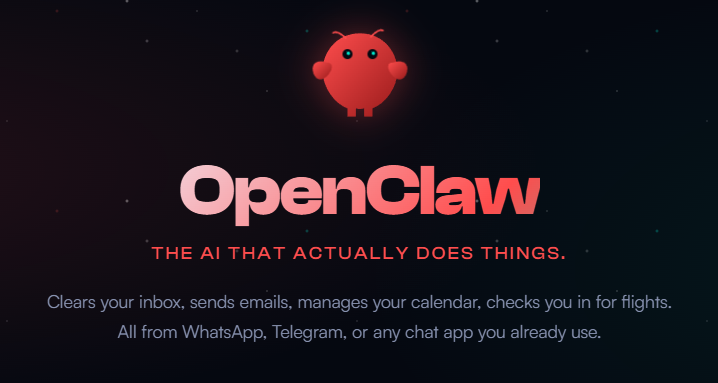
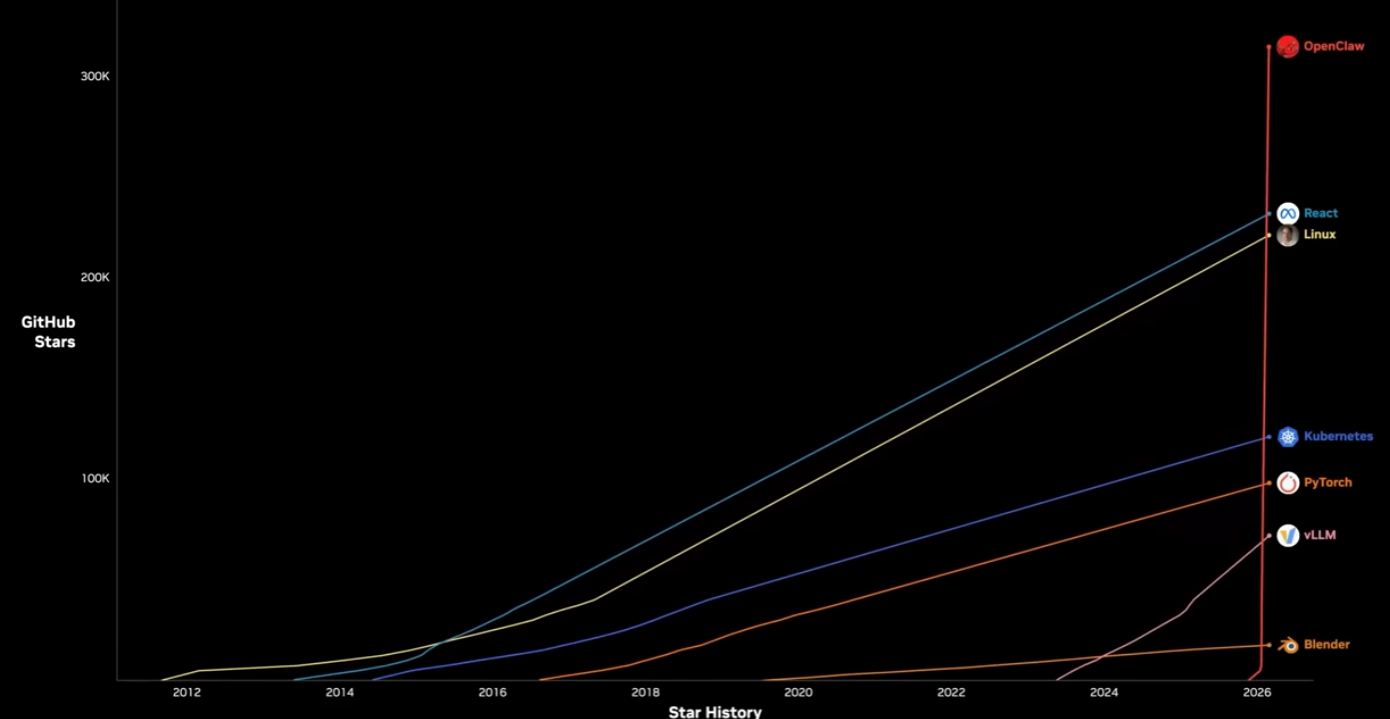
You may have heard of OpenClaw (formerly known as Clawdbot), an open-source framework that went viral in 2026 for amassing over 300,000 GitHub stars in just weeks. NVIDIA CEO Jensen Huang recently called it the “operating system for personal AI,” comparing its impact to the launch of Windows, Linux, and the Internet.
OpenClaw functions as a “thinking” machine that bridges raw AI intelligence with your actual digital workflow by running natively on your machine — whether Mac, Windows, or Linux — to ensure that sensitive data remains under your physical control. Unlike traditional tools, it allows you to “summon” your personal agent directly within existing messaging apps like WhatsApp, Telegram, or Slack, where it utilizes persistent memory to maintain your unique business context across every conversation. Beyond mere chat, it can autonomously navigate the web to extract data or fill forms and even possesses system access to read files and execute shell commands in a secure environment. This capability is endlessly expandable through a community marketplace of “Skills,” enabling the agent to perform specialized tasks ranging from automated invoicing to writing its own custom plugins in real-time to solve new problems.
What are some practical use cases for AI agents in marketing?
From a marketing perspective, agents are transforming high-volume, repetitive CMO tasks into “Agent Capacity.”
- Autonomous Campaign Management: Agents that adjust budgets and targeting in real-time based on performance, potentially lifting ROI by 25%.
- Hyper-Personalization at Scale: Systems can automatically adapt messaging and offers to individual users across web, email, and social touchpoints.
- Real-Time Market Intelligence: Agents that monitor competitor websites and social media 24/7, summarizing findings in scheduled reports.
- 24/7 Lead Nurturing: AI “Sales Reps” that qualify leads and book meetings in your calendar while you sleep.
What is the ROI of implementing agentic AI for marketers?
Marketing teams implementing these solutions are seeing an average ROI of 300%, achieving these gains while reducing customer acquisition costs by 37%. Organizations using multi-agent systems — where teams of specialized agents collaborate — have been found to achieve 3x higher ROI than those using single-vendor, isolated setups.
The goal isn’t just saving money; it’s about “Agent Capacity.” McKinsey projects that by 2030, AI agents and robots could generate approximately $2.9 trillion in U.S. economic value per year.
Is agentic AI safe for my business data?
This is the “devil’s bargain.” Because agents have access to your computer and connected accounts, they are high-risk assets. Security experts have warned about “Prompt Injection,” where hidden instructions in a simple email could trick an agent into putting everone on your contact list on blast or inadvertanly downloading a malicious skill from places like the community-driven ClawHub repository.
This is the “CMO Blind Spot.” While agents are powerful, they require “Guardrails-as-Code.” You need a strategy that includes:
- Privacy Routers: Deciding which data stays local and which can go to the cloud.
- Human-in-the-Loop: Ensuring a human reviews sensitive or irreversible actions (like hitting “send” on an email or IM).
- Agentic Identity: Using protocols like Skyfire’s KYA (Know Your Agent) to verify that an agent is acting on behalf of a real, authorized user.
Do I need to be a developer to use AI agents?
Right now, there is a “Technical Divide.” To get the most out of OpenClaw today, you often need to understand “CLI” (Command Line Interfaces) — those black boxes of text that developers love but make the average CEO (and their family) cringe. This places OpenClaw firmly in the early adopter hobbiest category, for now.
So the race is on! OpenAI has hired OpenClaw creator Peter Steinberger to develop a consumer-ready version, and NVIDIA recently launched NemoClaw to help bridge the gap by packaging OpenClaw into their own secure OpenShell framework, creating an enterprise-secure way to deploy OpenClaw.
This “OpenClaw frenzy” has forced the major AI labs to pivot. Anthropic recently countered with a suite of “computer use” tools designed to turn Claude into a remote employee. These include:
- Claude Code: A specialist agent for engineering teams that lives in the terminal and manages entire codebases.
- Claude Cowork: A version designed for non-technical users that can autonomously open files, navigate browsers, and complete tasks on your Mac.
- Claude Dispatch: A remote-control layer that lets you assign complex jobs to your computer from your phone while you’re away, allowing Claude to finish the work before you even open your laptop.
To get truly consumer-grade Agentic AI applications today, however, we look to the Manus AI desktop application as a leader in this space, offering easy onboarding and pre-built templates for things like desktop file management and autonomus market research that anyone can use in minutes.
Ready to build your digital workforce?
Adcetera is here to help you move from “raw intelligence” to “winning workflows.” Whether you’re looking to scale your content production, automate your lead generation, or upscale your sales funnel, we can help you develop your AI agent strategies.